
Burger King French Fries: Price, Calories and Nutrition (2026)
Every burger needs a side, and at Burger King the default answer is a carton of thick-cut French Fries. Golden on the outside, fluffy on the inside, salted the moment they leave the fryer. In 2026 a medium order carries 370 calories and a price that starts from $2.99. They are the backbone of the combo meal, the thing people steal from each other’s trays, and the side against which all other sides are judged. Here is the current price, the calorie count, and the full nutrition breakdown.
Last updated: August 8, 2026
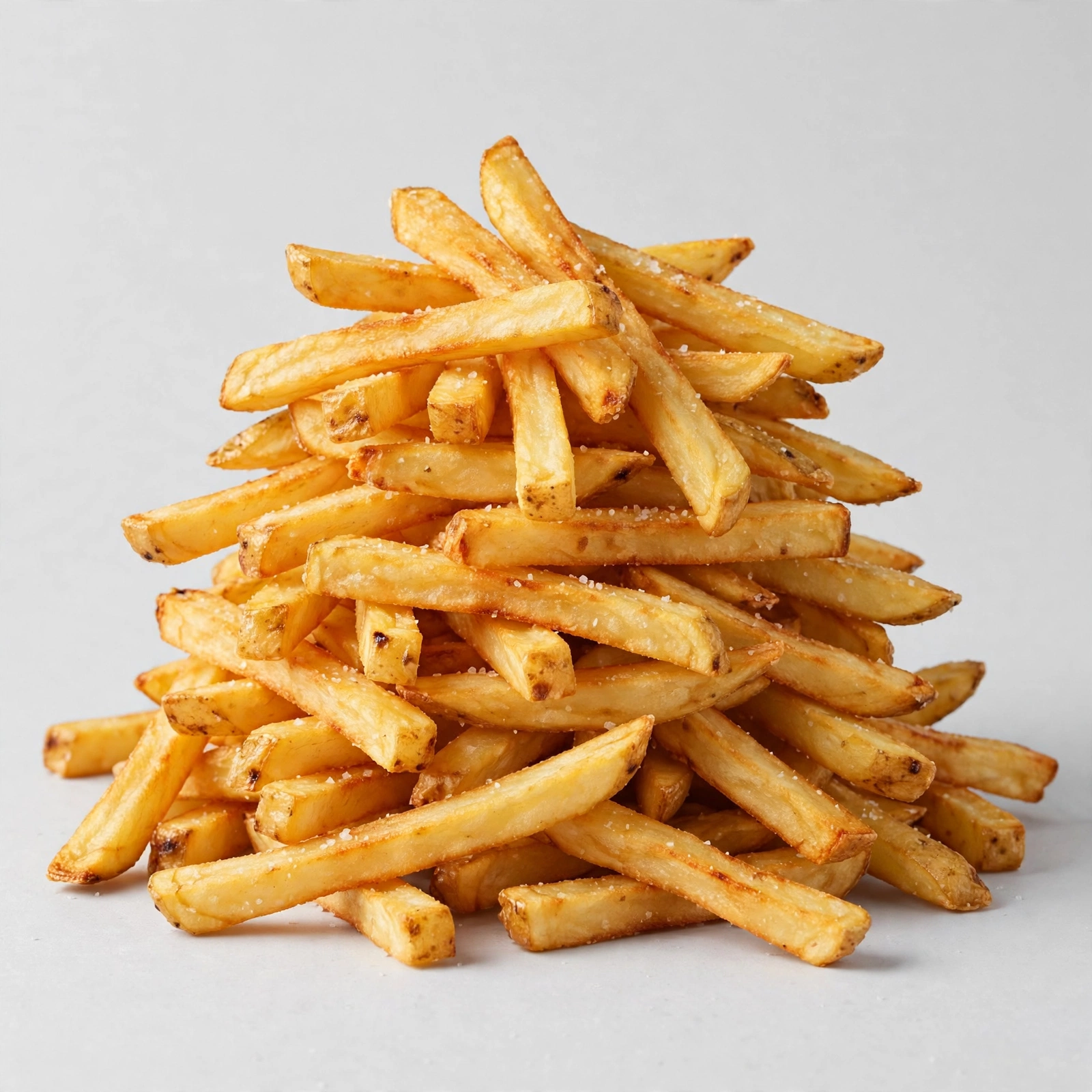
Table of contents
- What are Burger King French Fries
- French Fries nutrition facts
- French Fries ingredients and sizes
- Allergens
- French Fries vs Onion Rings
- Getting the best value on French Fries
- Frequently asked questions
What are Burger King French Fries
Burger King’s fries are thick-cut potatoes, fried until the exterior crisps and the interior stays soft and fluffy, then salted immediately. The thick cut is the defining trait: these are steak-fry-adjacent rather than shoestring, which means each fry has more potato and a more substantial bite. They are cooked to order in the sense that fry baskets cycle constantly during busy hours, so the fries you get at lunch rush are usually minutes old.
At 370 calories for a medium, BK fries sit in the expected range for a fast food medium. The 5 grams of protein will not impress anyone, but nobody orders fries for protein. They order them because hot, salty, crispy potato is one of the great pleasures, and because a burger without fries feels incomplete.
Fries come in four sizes: value, small, medium, and large. The medium is the standard that comes with combo meals and the size most people picture. The value size is the budget add-on. The large is for serious fry people and for sharing, though sharing fries is a promise nobody keeps.
French Fries nutrition facts
Full nutrition breakdown for one medium French Fries, based on Burger King’s official US nutrition data as reported by 2026-updated nutrition databases.
| Nutrient | Amount per Medium Fries |
|---|---|
| Calories | 370 |
| Total fat | 17g |
| Total carbohydrates | 50g |
| Protein | 5g |
| Sodium | 330mg |
The numbers are what you would expect from fried potatoes. Fifty grams of carbohydrates is the main event, with 17 grams of fat from the frying oil. Sodium at 330 mg is actually moderate for a salted fried side, well under what many competitors’ medium fries carry, though your actual sodium depends on how heavy-handed the salting is at your location.
The calorie progression across sizes is worth knowing: value at 230, small at 300, medium at 370, large at 440. Each step up adds roughly 70 calories, which makes the small a genuinely meaningful saving over the medium if you are counting. The large, at 440 calories, is nearly a meal’s worth of potatoes on its own.
French Fries ingredients and sizes
The ingredients are simple: potatoes, vegetable oil for frying, and salt. That simplicity is part of the appeal. There is no breading, no seasoning blend, just potato, oil, and salt done right.
Size strategy is the main decision. The value fries at 230 calories is the light add-on. The small at 300 is the sensible middle. The medium at 370 is the combo standard. The large at 440 is for sharing or for fry-first people. In practice, most regulars default to medium because it is what the meal comes with, but the small is the sleeper pick: it satisfies the fry craving for 70 fewer calories and usually costs less.
Freshness matters more with fries than with almost anything else on the menu. Fries more than a few minutes old lose their crispness fast. If yours arrive limp, asking for a fresh batch is always fair, and ordering at peak hours usually means fresher fries by default.
Allergens
Burger King French Fries have no major allergens declared in their ingredients. However, they are cooked in shared fryers alongside breaded items like onion rings, chicken, and mozzarella sticks, so cross-contact with wheat and gluten is possible. Anyone with celiac disease or a serious wheat allergy should be aware of the shared-fryer situation. Always check with the restaurant if you have a serious allergy.
French Fries vs Onion Rings
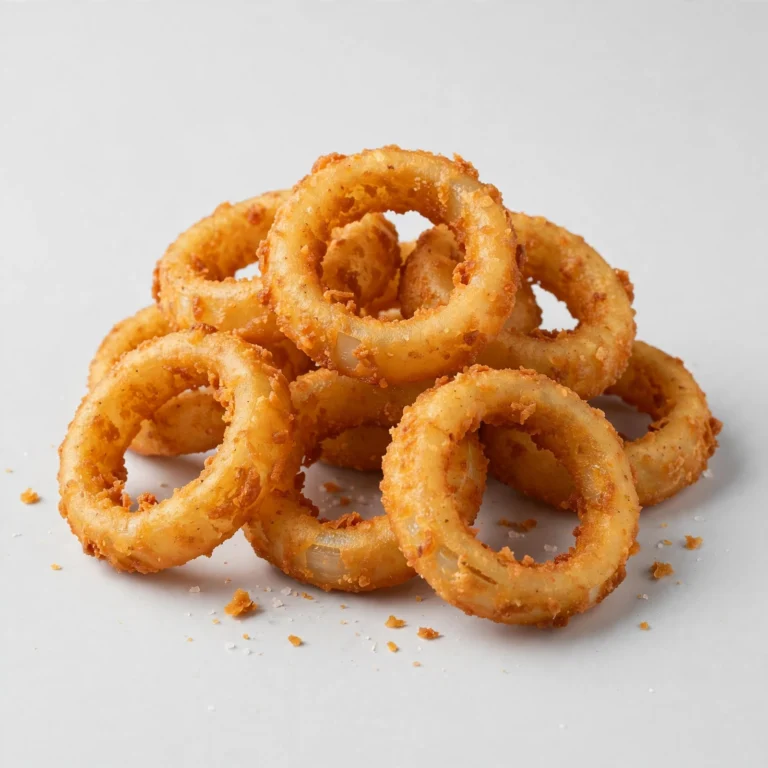
Medium fries are 370 calories with 5 grams of protein from $2.99. Medium onion rings are 360 calories with 4 grams of protein from $2.59. Nutritionally they are near twins; the choice is purely about craving.
Pick fries when you want the classic, comforting, universally loved side that pairs with everything. Pick onion rings when you want crunch with more character, a breaded bite, and something built for dipping. Most people have a default, and most defaults were set in childhood. There is no nutritional argument strong enough to override a genuine fry craving, so order what you want.
Getting the best value on French Fries
- At from $2.99, medium fries are fairly priced for the portion, and the value size is one of the cheapest items on the menu for anyone who just wants a taste.
- The combo meal is the real value play. A burger meal with medium fries and a drink costs meaningfully less than the three items bought separately.
- The Burger King app runs fry deals surprisingly often, including free fries with purchase offers and value bundles. Check before you order.
- Going down to a small saves around 70 calories and usually a little money, with most of the satisfaction intact. It is the rational fry order.
Frequently asked questions
How much are Burger King fries in 2026?
Medium French Fries start from $2.99 in most US markets, with value, small, and large sizes priced accordingly. Prices vary by location.
How many calories are in medium Burger King fries?
One medium order has 370 calories, with 5g of protein, 17g of fat, and 50g of carbohydrates.
What sizes do Burger King fries come in?
Value (230 cal), small (300 cal), medium (370 cal), and large (440 cal).
Are Burger King fries vegan?
The fries themselves contain no animal ingredients, but they are cooked in shared fryers with meat and dairy-containing items, which matters to strict vegans.
How can I get the freshest fries?
Order during busy hours when fry baskets cycle constantly, or politely ask for a fresh batch. Fries are best within minutes of leaving the fryer.
Fries or onion rings, which is better?
They are nearly identical nutritionally at 370 vs 360 calories for a medium. Choose based on craving: classic potato comfort or crunchy breaded rings.
ManuBite Team. We track fast food prices and nutrition across the USA so you always know what your meal really costs, in dollars and in calories.
 ← PREVIOUS
Burger King Chicken Nuggets: Price, Calories and Nutrition (2026)
← PREVIOUS
Burger King Chicken Nuggets: Price, Calories and Nutrition (2026)
 NEXT →
Burger King Onion Rings: Price, Calories and Nutrition (2026)
NEXT →
Burger King Onion Rings: Price, Calories and Nutrition (2026)
Craving more Burger King classics? Read our Onion Rings guide, our Chicken Fries guide and our Whopper guide for prices, calories and nutrition facts.
One Comment